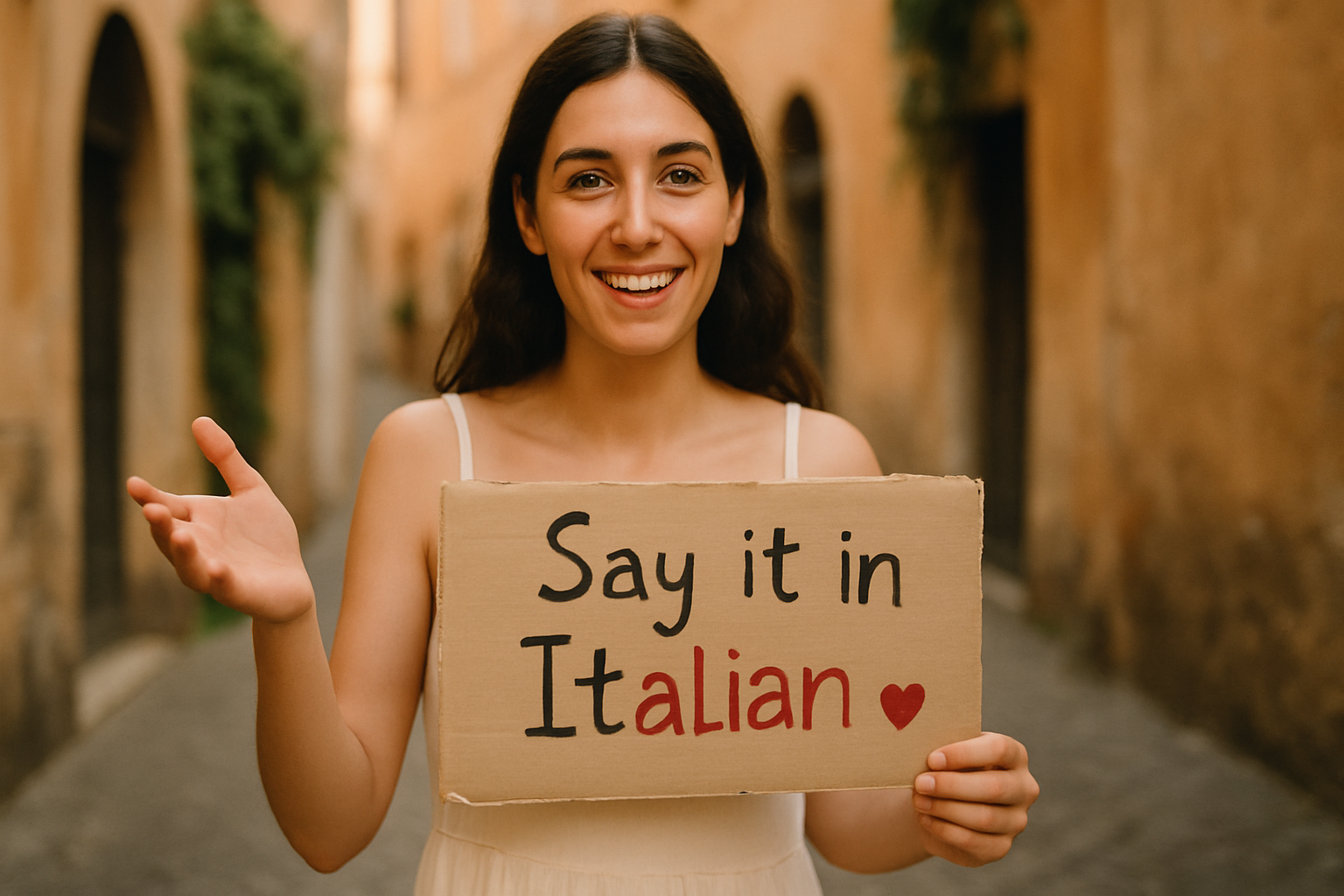
Learning a new language can be exciting, especially when you can use it right away. Italian is a beautiful language, and knowing some key phrases can enhance your experience, whether you’re traveling to Italy or simply chatting with friends. In this article, we will cover essential Italian phrases that you can start using today.
Essential Italian Phrases
If you’re just starting out, you might wonder which phrases are most useful. Here’s a quick list of practical expressions to get you started:
| Italian Phrase | Usage Note | |----------------|------------| | Ciao | Informal hello or goodbye. | | Buongiorno | Good morning; polite greeting. | | Mi chiamo... | I am called...; introduce yourself. | | Per favore | Please; adds politeness. | | Grazie | Thank you; express gratitude. | | Scusa | Excuse me; get someone's attention. | | Non capisco| I do not understand; useful for clarification. | | Puoi ripetere?| Can you repeat?; ask for repetition. | | Un caffè, per favore | A coffee, please; ordering coffee. | | Dove si trova...? | Where is...?; ask for directions. | | Mi aiuti, per favore? | Can you help me, please?; request assistance. | | Arrivederci | Goodbye; formal farewell. |
Understanding the Phrases
Let’s take a closer look at some of these phrases and how you can effectively use them in conversation.
- Ciao: This is one of the most versatile Italian words. You can use it as a greeting or farewell in informal settings. If you meet a friend or someone your age, saying Ciao is perfectly acceptable.
- Buongiorno: This phrase means "good morning" and is a polite way to greet someone during the day. Use it when entering a café or meeting someone for the first time.
- Mi chiamo...: When introducing yourself, you can say Mi chiamo followed by your name. For example, Mi chiamo Marco means "I am called Marco." This is a simple and effective way to start a conversation.
- Per favore: This phrase means "please" and is essential for polite conversation. Whether you’re asking for a menu or requesting assistance, adding Per favore shows respect and courtesy.
- Grazie: Expressing gratitude is important in any language. Saying Grazie (thank you) after receiving help or a service is a must. You can also say Grazie mille for "thank you very much" to show extra appreciation.
Practical Situations
Here are a few practical scenarios where you can use these phrases:
- Ordering Coffee: When you enter a café, you can confidently say Un caffè, per favore to order a coffee. If you want something sweet, you might add con zucchero (with sugar).
- Asking for Help: If you find yourself lost, you can approach someone and say Mi aiuti, per favore?. This phrase is direct and polite, making it more likely that someone will assist you.
- Clarifying Understanding: If someone is speaking too quickly, you can say Non capisco. This simple phrase can help you navigate conversations where you might miss some details.
Common Mistakes
One common mistake beginners make is forgetting to use polite phrases like Per favore and Grazie. In Italian culture, politeness is highly valued, so incorporating these phrases into your speech can help you connect better with native speakers. Another mistake is using informal greetings like Ciao in formal situations; instead, opt for Buongiorno or Buonasera (good evening) depending on the time of day.
How to Practice
To practice these phrases, try using them in everyday conversations, even if you're speaking with fellow learners. Role-playing different scenarios, like ordering food or asking for directions, can help you gain confidence. Additionally, listen to Italian audio resources to hear how native speakers use these phrases in context. Lingden offers audio pronunciation and real sentences to help you learn effectively.
Conclusion
Learning practical phrases in Italian can make your language journey enjoyable and rewarding. With expressions like Ciao, Grazie, and Mi chiamo..., you’re well on your way to engaging in simple conversations. Don’t forget to practice regularly, and consider using tools like Lingden, where you can hear real sentences, access word audio, and learn pronunciation with IPA. Buona fortuna! (Good luck!)