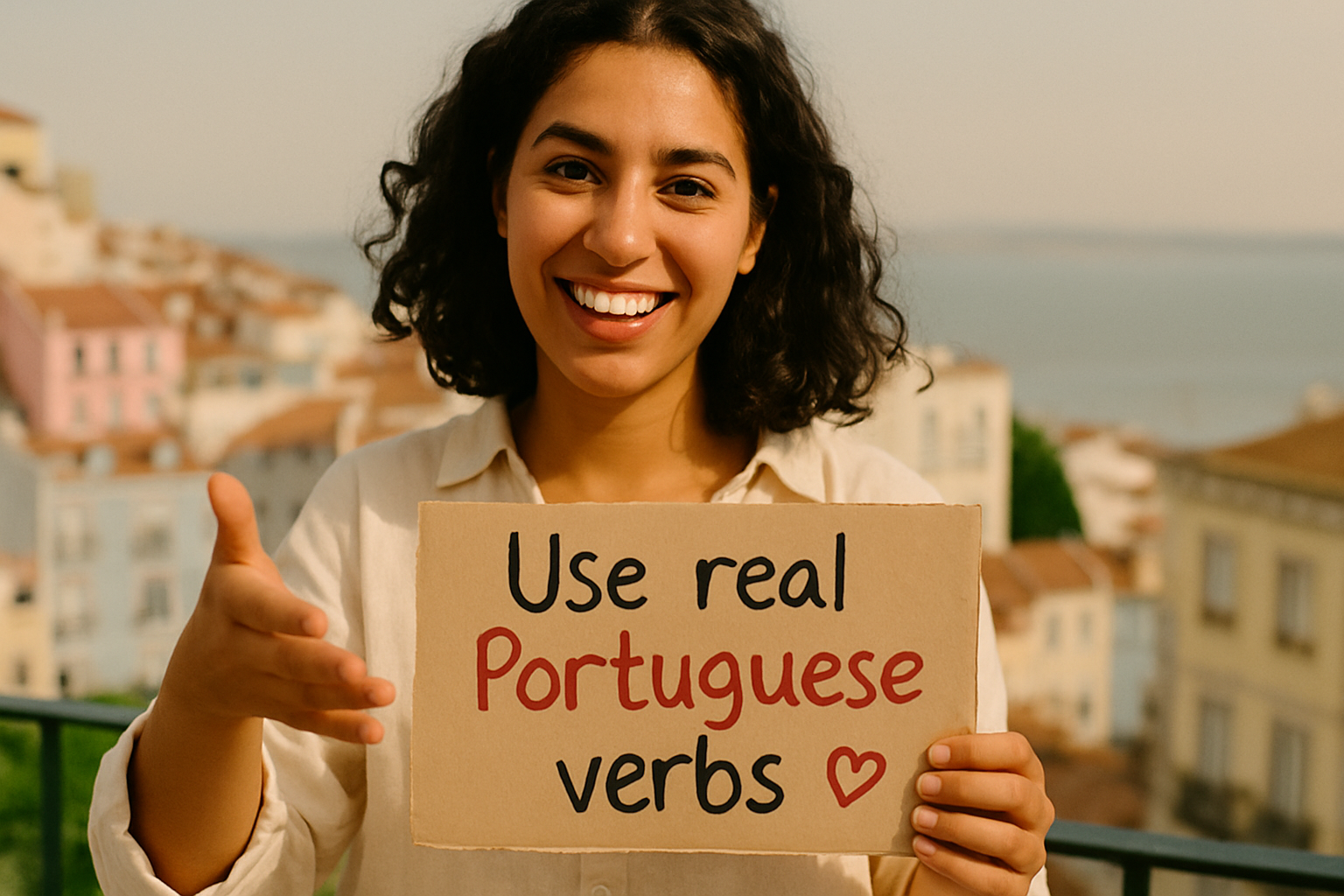
Learning a new language can be overwhelming, but focusing on essential verbs can make a significant difference in your ability to communicate. In Portuguese, there are certain verbs that are foundational for forming sentences and expressing your thoughts clearly. This article will introduce you to the first 10-12 essential Portuguese verbs that every beginner should learn.
Why Focus on Verbs?
Verbs are the backbone of any language. They allow you to express actions, states, and occurrences. By mastering a few key verbs, you can start constructing meaningful sentences right away. Here are the essential verbs we will cover:
- ser (to be)
- ter (to have)
- ir (to go)
- querer (to want)
- precisar (to need)
- gostar (to like)
- falar (to speak)
- aprender (to learn)
- comer (to eat)
- beber (to drink)
- viver (to live)
- fazer (to do/make)
1. Ser (to be)
The verb ser is used to describe essential characteristics, identity, and origin. For example:
- Eu sou brasileiro. (I am Brazilian.)
- Ela é professora. (She is a teacher.)
2. Ter (to have)
Ter is used to indicate possession or age. Here are some examples:
- Eu tenho um carro. (I have a car.)
- Nós temos 30 anos. (We are 30 years old.)
3. Ir (to go)
The verb ir is essential for talking about movement or future actions. For instance:
- Eu vou ao mercado. (I am going to the market.)
- Você vai viajar amanhã? (Are you going to travel tomorrow?)
4. Querer (to want)
Querer expresses desire. It’s a very common verb in daily conversations:
- Eu quero um café. (I want a coffee.)
- Eles querem ir ao cinema. (They want to go to the cinema.)
5. Precisar (to need)
Use precisar to express necessity:
- Eu preciso de ajuda. (I need help.)
- Você precisa estudar mais. (You need to study more.)
6. Gostar (to like)
Gostar is used to express preferences:
- Eu gosto de música. (I like music.)
- Nós gostamos de viajar. (We like to travel.)
7. Falar (to speak)
The verb falar is essential for communication:
- Eu falo português. (I speak Portuguese.)
- Você fala inglês? (Do you speak English?)
8. Aprender (to learn)
Aprender is crucial for language learners:
- Eu quero aprender português. (I want to learn Portuguese.)
- Nós aprendemos muito na aula. (We learn a lot in class.)
9. Comer (to eat)
Use comer when talking about food:
- Eu como arroz e feijão. (I eat rice and beans.)
- Eles comem pizza no jantar. (They eat pizza for dinner.)
10. Beber (to drink)
Beber is used for beverages:
- Eu bebo água. (I drink water.)
- Você bebe café de manhã? (Do you drink coffee in the morning?)
11. Viver (to live)
The verb viver describes where you live:
- Eu vivo em São Paulo. (I live in São Paulo.)
- Eles vivem felizes. (They live happily.)
12. Fazer (to do/make)
Fazer is versatile and can mean both 'to do' and 'to make':
- Eu faço exercício todos os dias. (I do exercise every day.)
- Ela faz um bolo. (She makes a cake.)
Common Mistake
A common mistake among beginners is confusing the verbs ser and estar, both of which mean 'to be'. While ser is used for permanent states, estar is used for temporary conditions. For example:
- Eu sou estudante. (I am a student.) — permanent identity
- Eu estou cansado. (I am tired.) — temporary state
How to Practice
To effectively practice these essential verbs, try the following methods:
- Create sentences: Write down sentences using each verb in different contexts.
- Flashcards: Make flashcards with the verb on one side and its meaning and an example sentence on the other.
- Speaking practice: Find a language partner or use language exchange apps to practice speaking these verbs in conversation.
Conclusion
Mastering these essential Portuguese verbs will significantly enhance your ability to form real sentences and communicate effectively. With the right practice, you can use these verbs to express your thoughts and needs in everyday situations. For more resources, including audio examples and IPA pronunciation, check out Lingden. Start your journey towards speaking Portuguese confidently today!