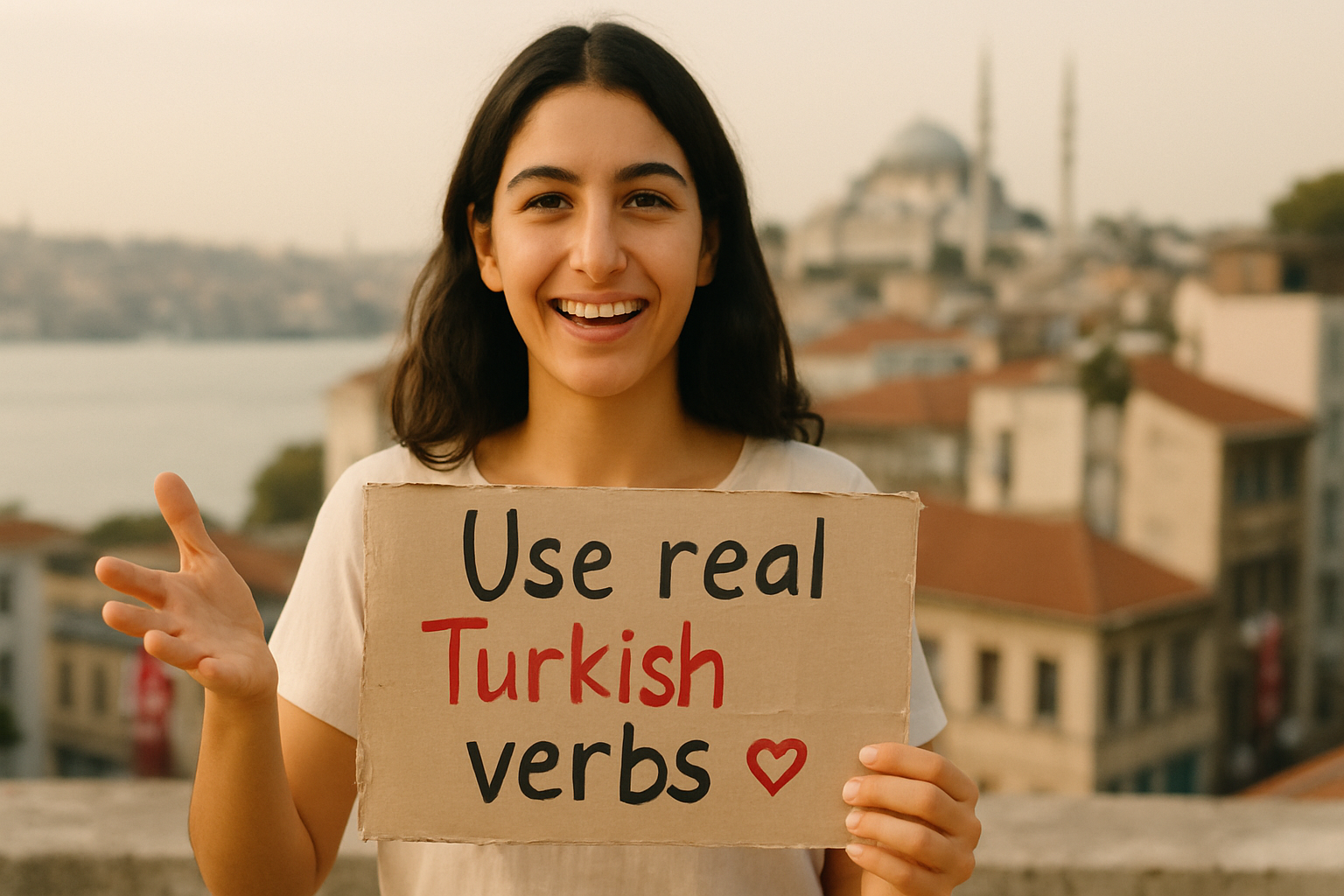
Learning a new language can be daunting, especially when it comes to mastering the essentials. In Turkish, a solid understanding of key verbs can unlock your ability to form meaningful sentences and communicate effectively. This article focuses on the first 10-12 Turkish verbs that every beginner should learn.
The Importance of Essential Verbs
Verbs are the backbone of any language. They allow you to express actions, states, and occurrences. In Turkish, mastering a few essential verbs can help you create sentences that are not only useful but also practical in everyday conversations. Here are the first verbs you should focus on:
- Olmak (to be)
- Sahip olmak (to have)
- Gitmek (to go)
- İstemek (to want)
- İhtiyaç duymak (to need)
- Sevmek (to like)
- Konuşmak (to speak)
- Öğrenmek (to learn)
- Yemek (to eat)
- İçmek (to drink)
- Yaşamak (to live)
- Yapmak (to do/make)
1. Olmak (to be)
The verb olmak is fundamental in Turkish. It is used to indicate existence or identity. For example:
- Ben öğretmenim. (I am a teacher.)
- O mutlu. (He/She is happy.)
In Turkish, the verb olmak is often omitted in the present tense. So, instead of saying "I am a teacher," you can simply say "Ben öğretmen."
2. Sahip Olmak (to have)
The phrase sahip olmak is used to express possession. For example:
- Benim bir kitabım var. (I have a book.)
- Onun bir evi var. (He/She has a house.)
In Turkish, you typically use the verb var (there is) to indicate possession, making it a bit different from English.
3. Gitmek (to go)
The verb gitmek is essential for discussing movement. Here are some examples:
- Ben markete gidiyorum. (I am going to the market.)
- Sen nereye gidiyorsun? (Where are you going?)
4. İstemek (to want)
To express desires, use istemek. For instance:
- Ben su istiyorum. (I want water.)
- O elma istiyor. (He/She wants an apple.)
5. İhtiyaç Duymak (to need)
The phrase ihtiyaç duymak is used to express necessity. For example:
- Benim uykuya ihtiyacım var. (I need sleep.)
- Onun yardıma ihtiyacı var. (He/She needs help.)
6. Sevmek (to like)
To express preferences, use sevmek. For example:
- Ben müziği seviyorum. (I like music.)
- O kahveyi seviyor. (He/She likes coffee.)
7. Konuşmak (to speak)
The verb konuşmak is important for communication. Examples include:
- Ben Türkçe konuşuyorum. (I speak Turkish.)
- Sen İngilizce konuşuyor musun? (Do you speak English?)
8. Öğrenmek (to learn)
To express the act of learning, use öğrenmek. For example:
- Ben yeni şeyler öğreniyorum. (I am learning new things.)
- O Türkçe öğreniyor. (He/She is learning Turkish.)
9. Yemek (to eat)
The verb yemek is essential for discussing meals. For example:
- Ben sabah kahvaltı yapıyorum. (I am having breakfast.)
- O akşam yemeği yiyor. (He/She is eating dinner.)
10. İçmek (to drink)
To express the act of drinking, use içmek. For example:
- Ben çay içiyorum. (I am drinking tea.)
- O su içiyor. (He/She is drinking water.)
11. Yaşamak (to live)
The verb yaşamak is used to express where someone lives. For example:
- Ben İstanbul'da yaşıyorum. (I live in Istanbul.)
- O Ankara'da yaşıyor. (He/She lives in Ankara.)
12. Yapmak (to do/make)
Finally, yapmak is versatile and can mean both 'to do' and 'to make.' For example:
- Ben ödevimi yapıyorum. (I am doing my homework.)
- O pasta yapıyor. (He/She is making a cake.)
Common Mistake
A common mistake for beginners is to forget about vowel harmony in Turkish. Vowel harmony means that vowels within a word harmonize to be either front or back vowels. For example, in the word yemek, the vowel 'e' is a front vowel, and it should be followed by other front vowels. When forming sentences, pay attention to this rule to improve your pronunciation and fluency.
How to Practice
To practice these verbs, try creating sentences about your daily life. You can also listen to Turkish audio resources to hear how these verbs are used in context. Try to incorporate them into your conversations, even if it's just with yourself. The more you use them, the more natural they will become.
Conclusion
Mastering these essential Turkish verbs will significantly enhance your ability to form real sentences. With practice, you’ll find yourself communicating more effectively in Turkish. For more resources, including audio pronunciations and examples of real sentences, check out Lingden. Start your journey to fluency today!